No Data Found
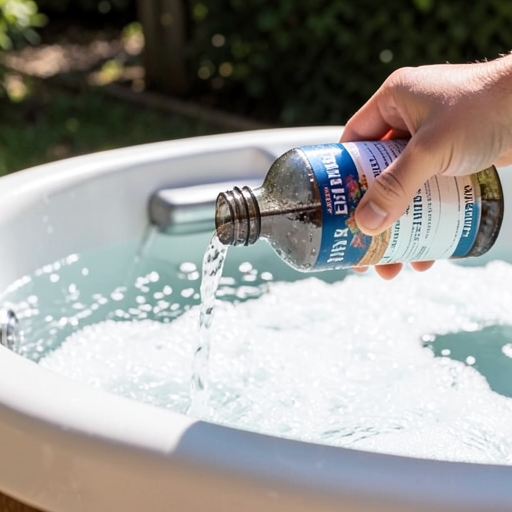
Alkalinity Adjustment
Adjusting total alkalinity helps stabilize pH levels in pool water, preventing sudden fluctuations that can affect comfort and equipment. Ideal alkalinity ranges from 80 to 120 parts per million (ppm). Low alkalinity makes pH unstable and prone to rapid changes, while high alkalinity can cause cloudy water and scaling. Adjustments are made using alkalinity increasers or decreasers, following product instructions. This process supports effective chlorine performance and protects pool surfaces from corrosion or etching. Regular alkalinity checks, combined with pH testing, form a key part of balanced water chemistry and contribute to a smooth, enjoyable swimming experience.